TMD, short for temporomandibular disorder (in German-speaking countries called CMD), is an umbrella term for problems with the chewing muscles and the jaw joints. Typical are pain when chewing, a clicking jaw, a mouth that will not open fully, and headaches, neck pain or earache. Common triggers are grinding and clenching, tension and stress. The good news: with gentle measures such as a bite splint, warmth, exercises and physiotherapy, symptoms improve significantly in more than 90 out of 100 people within six to twelve months, if they actively take part. Have it examined if the pain lasts longer than four weeks, is very severe or you can hardly open your mouth.
Updated: 9 November 2026
Typical signs
- pain in the chewing muscles or in front of the ear, when chewing, yawning or speaking
- clicking or grating in the jaw joint
- a mouth that will not open or close fully
- teeth that suddenly no longer fit together properly
- headaches, neck tension, earache or ringing in the ears
Many people have already been to several places and nobody has found a cause. That is exactly when it is worth looking at the jaw and chewing muscles.
Does your jaw click without hurting?
A click without pain and without restriction is common and usually harmless. As a rule, it does not need treatment. Get in touch if pain is added, your jaw gets stuck or your mouth opens less wide.
Where the symptoms come from
Usually several things come together: grinding and clenching, tension and stress, a one-sided posture at the desk, more rarely an accident or a bite that does not fit. Constant stress keeps the chewing muscles tense, and tense muscles hurt. Read more about grinding in “Teeth grinding: causes and what helps”.
What you can do yourself
- Warmth: place a warm, damp cloth around your neck with a dry one on top, for about 15 minutes while lying down.
- Massage: loosen the large chewing muscle on your cheek with firm pressure.
- Go easy on your jaw: little chewing gum, no nail biting. In painful phases, soft food helps.
- Relax and move: endurance sport, enough sleep, progressive muscle relaxation.
- Exercise: if you have learnt exercises in physiotherapy, keep doing them at home.
What we do at the practice
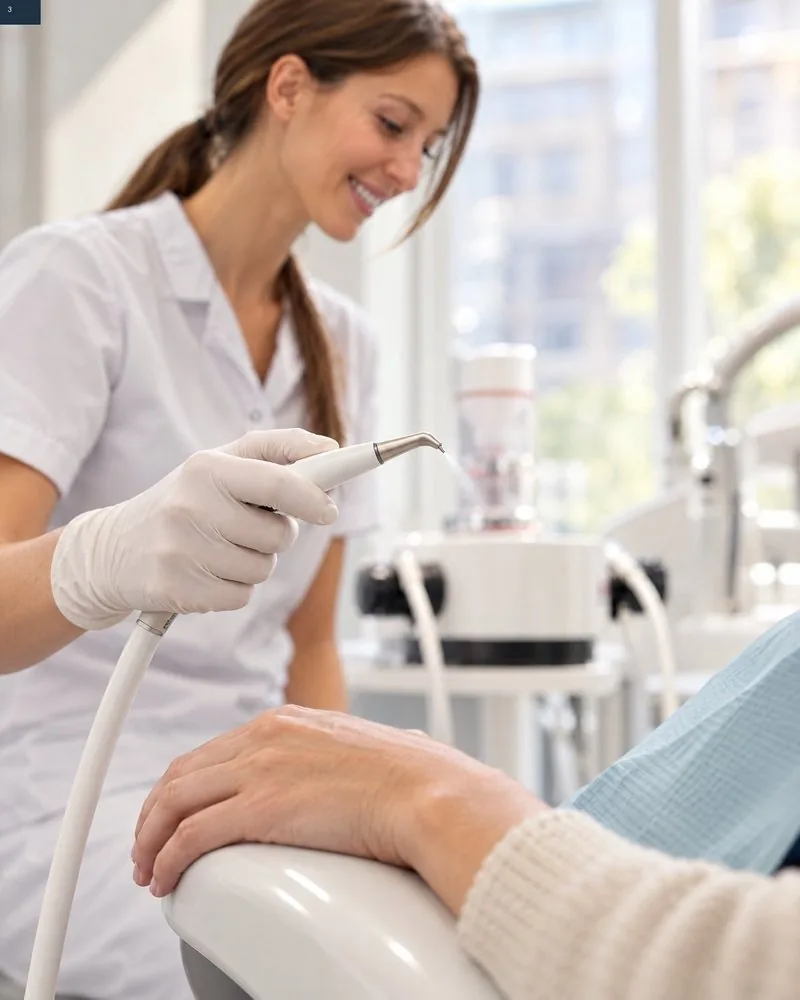
- Listen and examine. We ask about your symptoms and your everyday life and examine the chewing muscles, jaw joints and bite.
- Understand how it all works together. In a functional analysis, we look at how the upper and lower jaw meet and where strain arises.
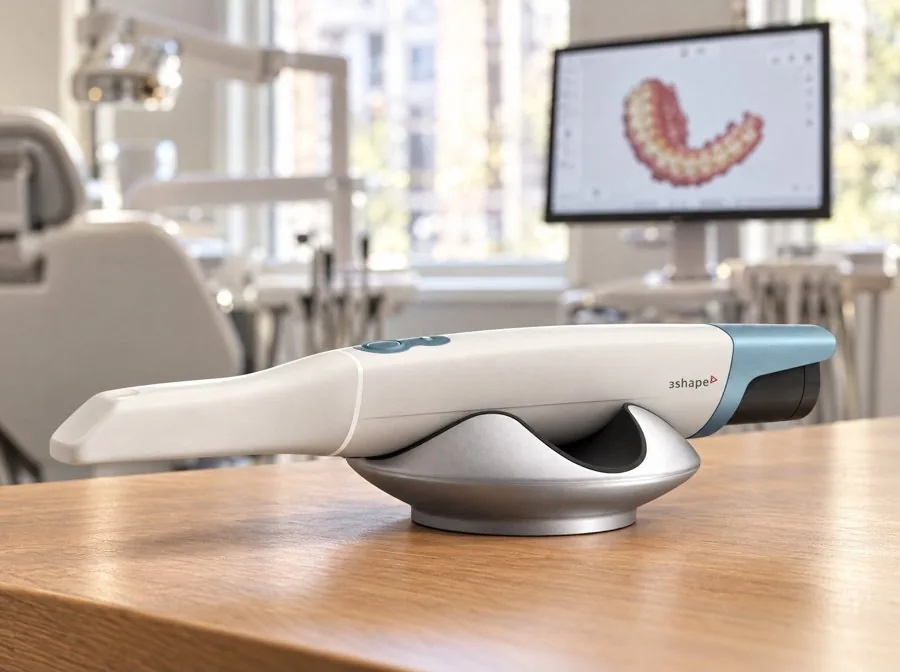
- Relieve. A Michigan splint, made from a digital scan and finely adjusted, relieves muscles and joints and protects the teeth.
- Treat together. Where it helps, we recommend physiotherapy for the chewing muscles. For ringing in the ears or dizziness, your GP or an ear, nose and throat doctor also investigates.
First come measures that can be reversed. Grinding down teeth or permanently changing the bite does not belong at the start.