A dental fistula is a small channel through which pus from an infection at the root tip drains into the mouth. You see it as a small blister or pimple on the gum, often called a gum boil. Often it does not hurt, because the pressure can escape, and that is exactly why it is easily overlooked. It does not heal by itself as long as the infection remains in the tooth. So the cause is treated: usually with root canal treatment, and for a tooth that has already been treated, with a retreatment. Afterwards the fistula usually closes by itself.
Updated: 9 November 2026
How a fistula forms
If bacteria get inside the tooth, for example through deep decay, the pulp becomes inflamed. Often it dies without being noticed, and the infection spreads from the root tip into the bone. The pus looks for a way out, through bone and gum. That is the fistula.
Other causes are an earlier root canal treatment in which a canal was not cleaned completely or which has started to leak, deep gum pockets and a crack in the tooth.
How to recognise a fistula
- a small whitish or reddish blister on the gum, usually at the level of the root tip
- it comes and goes, sometimes with a salty or unpleasant taste
- the tooth above it is slightly sensitive when you bite, or feels a little too high
What you should avoid
Do not squeeze or prick the fistula: that spreads the bacteria. Rinses and home remedies bring relief at most, they do nothing about the infection in the tooth. An antibiotic on its own does not remove the cause either.
How we save the tooth
- Find the cause. With digital X-rays and under the microscope we establish which tooth the fistula comes from and what condition it is in. You receive a clear assessment and both paths in writing.
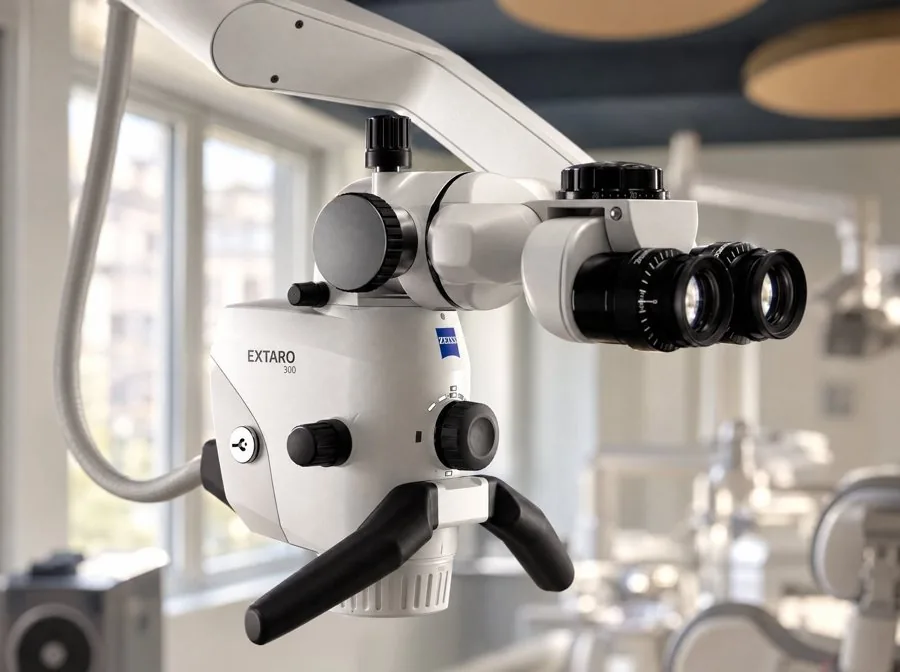
- Clean the tooth from the inside. With root canal treatment under up to 25-fold magnification we find all the canals, including the fine and hidden ones, clean them completely and seal them tightly.
- For a tooth that has already been treated: a retreatment, that is, a second root canal treatment. Retreatments are a regular part of our work.
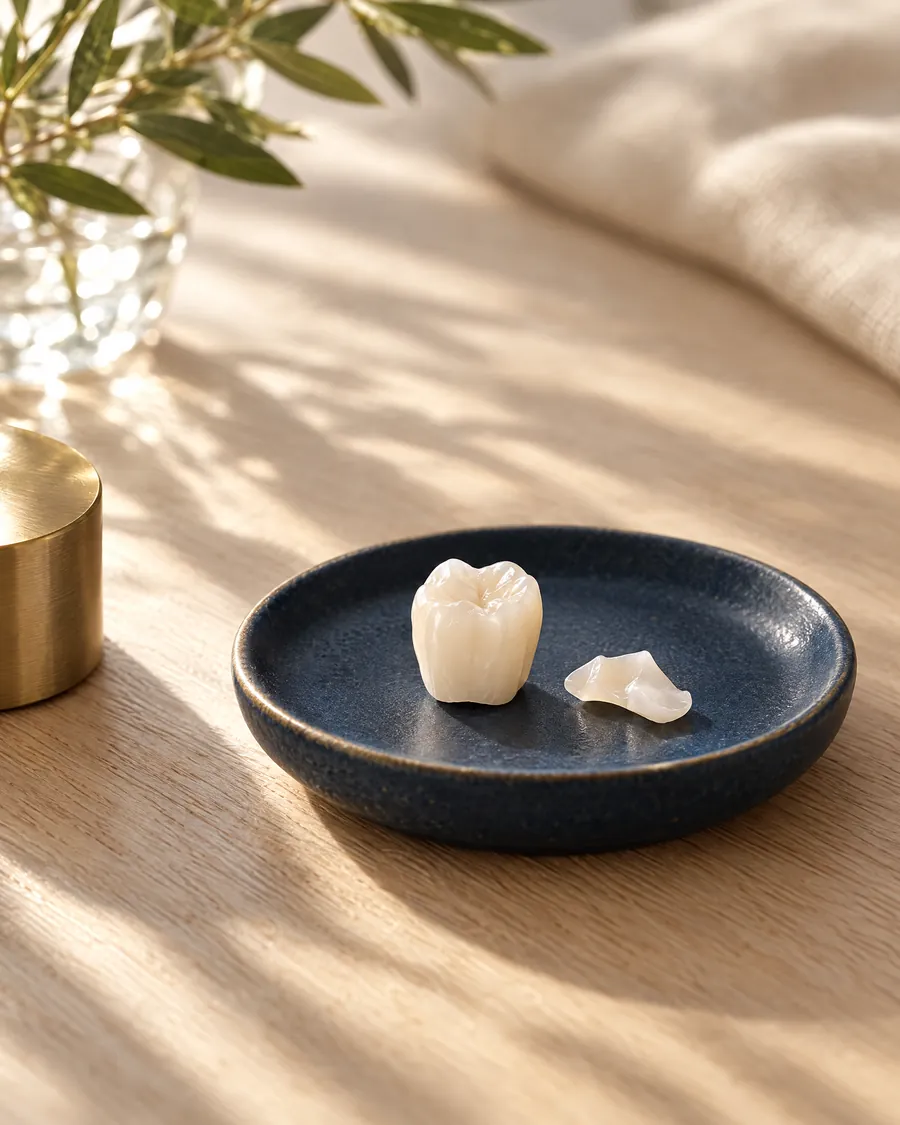
- Protect. Afterwards we protect the tooth, often with a ceramic partial crown or crown.
Around 9 out of 10 teeth are kept in the long term, after a first root canal treatment as well as after a retreatment. Sometimes the honest answer is that extraction is the better choice. Then you know why.
When it is urgent
If your cheek swells, you develop a fever or the pain becomes severe, get in touch the same day. Outside our opening hours, contact the dental emergency service or a hospital emergency department.