If a tooth has hurt for more than a day, wakes you at night or your cheek is swelling, it should be seen the same day. A brief twinge with cold food can wait a few days, but not weeks. The sooner the cause is found, the easier it is to save the tooth.
Updated: 9 November 2026
How urgent is it?
| What you feel | How soon |
|---|---|
| A brief twinge with cold or sweet food, or when brushing, that passes straight away | an appointment in the next few days |
| Pain that lingers, throbs, comes when you chew or wakes you at night | call today |
| A filling has fallen out or a piece of tooth has broken off | call today |
| A swollen cheek, fever, a knocked-out tooth or bleeding that will not stop | immediately: our practice, or outside opening hours the dental emergency service or a hospital emergency department |
| Difficulty breathing or swallowing | call the emergency number 144 |
Why waiting rarely helps
Toothache has a cause, and that cause does not go away by itself. Often it is decay that has reached the nerve of the tooth, or inflammation at the root.
If severe pain suddenly eases after a few days, that is not a sign of healing. Often the nerve has died while the inflammation continues. Treated early, the procedure stays small and the outlook for the tooth is good.
What helps until your appointment
- Cool your cheek from the outside.
- Keep your head slightly raised, at night too.
- A painkiller from the pharmacy will tide you over. Ask the pharmacist for advice.
- Chew on the other side. Avoid very cold, hot and sweet food.
- Avoid warmth on the painful area.
What happens at your appointment
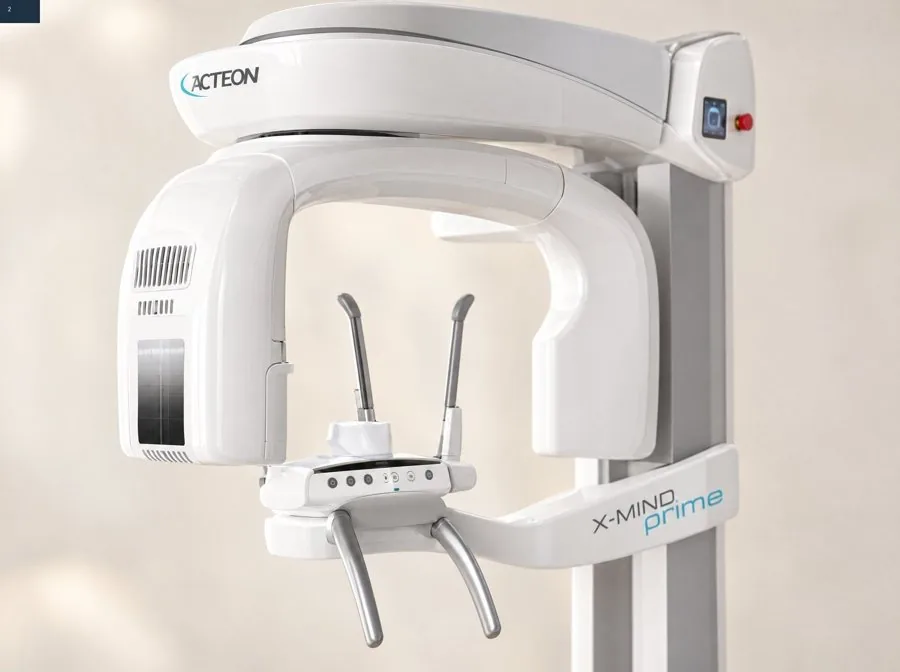
At a toothache appointment, relief comes first, then the cause. We examine the area, with digital X-rays and magnification where useful. You see on screen what we see. Treatment is under local anaesthetic, gentle and at your pace. Afterwards we explain the cause and your options. You decide on the next steps in your own time.
In the evening or at the weekend
Book the earliest appointment online under “Toothache”, or call us from 8 am on the next working day. For severe swelling, fever, an accident or bleeding that will not stop, please contact the dental emergency service or a hospital emergency department.